New Jersey's Leading
Dry Eye Specialists
Break free from the endless cycle of temporary eye drops. In one 45-minute comprehensive evaluation at our Livingston diagnostic suite, Dr. Marano's team pinpoints the exact biological root cause of your symptoms, restoring your natural tear film to resolve chronic burning, grittiness, and screen fatigue.
Recognizing Chronic Dry Eye Syndrome:
Signs & Symptoms
If these symptoms sound familiar, you need clinical relief rather than another bottle of temporary drops. Chronic dry eye is a progressive condition that impacts your productivity, sleep, confidence, and daily comfort. Identifying your clinical symptoms is the first step toward identifying your targeted treatment.
Burning & Screen Fatigue
Your eyes sting by midday. Constant heat and strain make screen-heavy workdays a countdown to relief you never get.
Grittiness (Sandpaper Eyes)
Mornings are the most difficult, when opening your eyes feels like your eyelids are scraping across dry, coarse sandpaper.
Reflex Tearing (Watery Eyes)
Excessive watering that spills over without providing genuine moisture or relief to dry, irritated tissues.
Blurry Vision & Glare
Fluctuating vision and headlight glare make reading and evening drives stressful, often leading you to avoid driving at night altogether.
Redness & Social Discomfort
Constantly red, bloodshot eyes leave you feeling self-conscious and wondering if people notice in social settings.
Stringy Mucus Discharge
Sticky mucus threads in the eye corners as your tear film breaks down and struggles to stay properly lubricated.
Identified Your Symptoms? Pinpoint the Root Cause
Don't wait for progressive gland loss. Our board-certified specialists in Livingston, Denville & Newark offer diagnostic LipiView® scans.
Anatomy of Dry Eye Disease
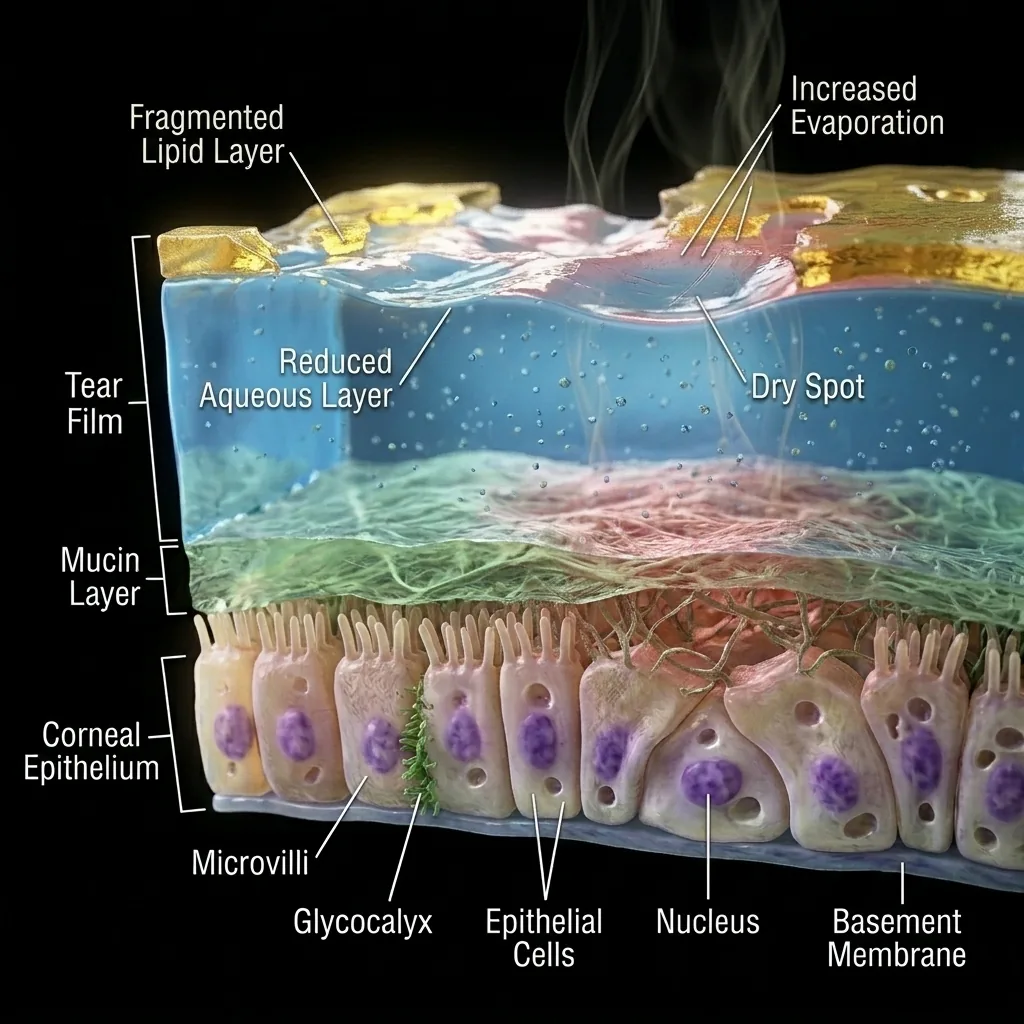
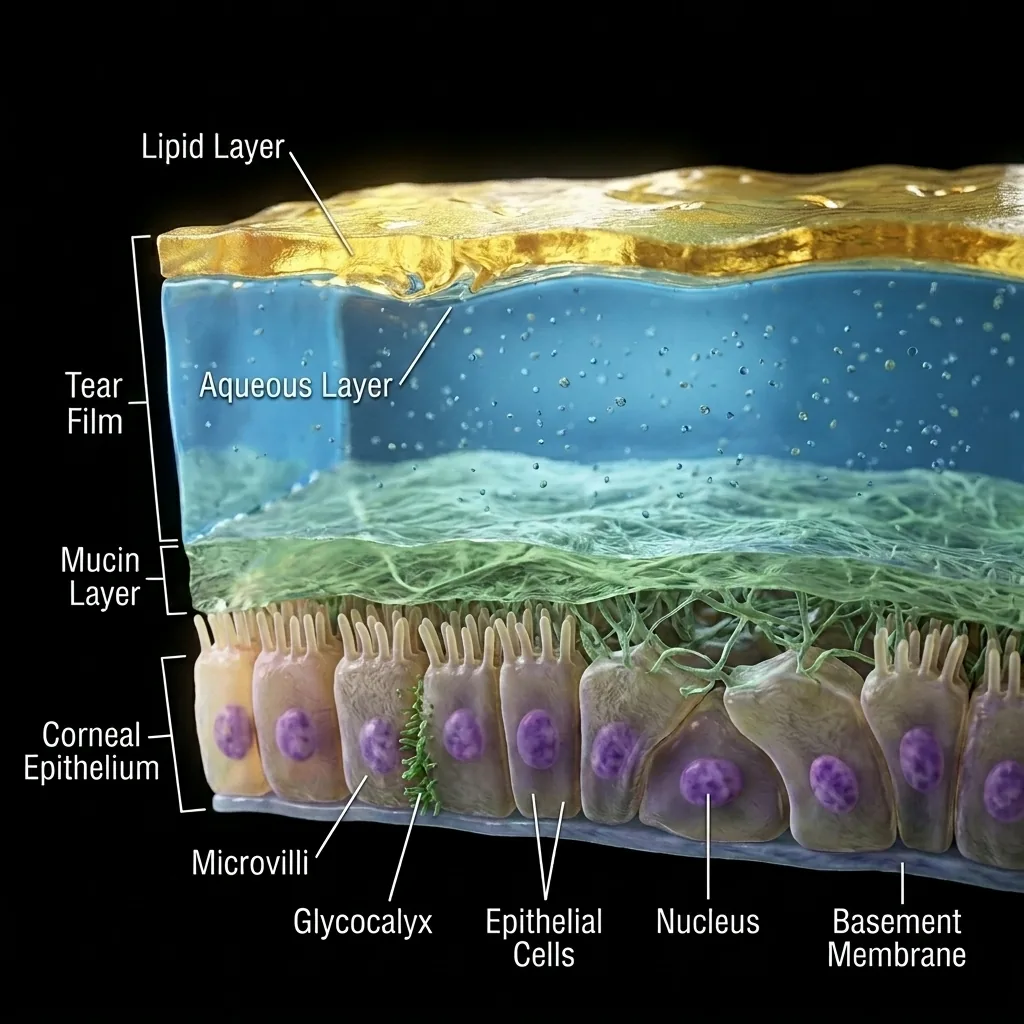
Over-the-counter eye drops only mask symptoms for a matter of minutes. Because they are mostly water, they start evaporating off the ocular surface the moment you use them. Recent studies have shown that Meibomian gland blockage is responsible for ~86% of dry eye cases.[1] This blockage prevents the proper secretion of the protective outermost lipid layer of the tear film that is necessary to prevent the aqueous tears underneath from evaporating.[2]
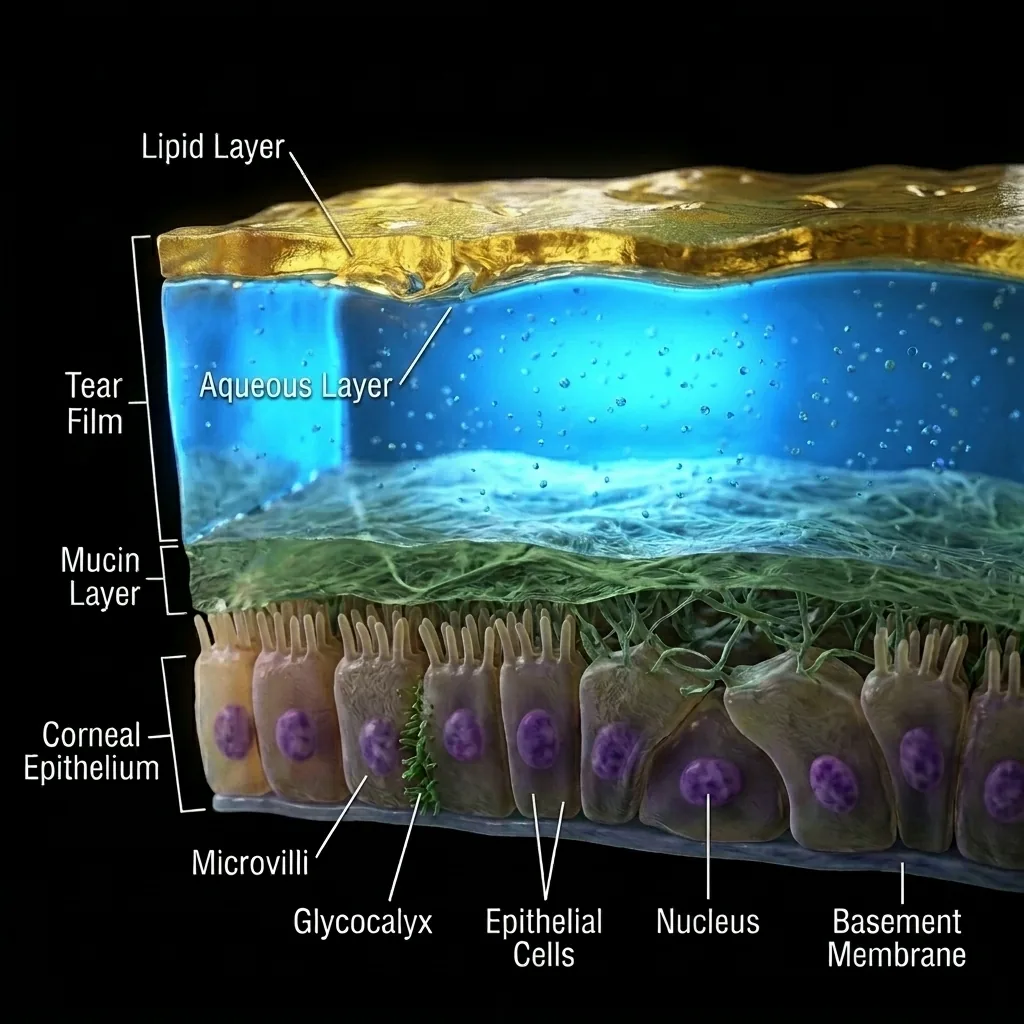
1. Lipid Layer (Outer)
Produced by the Meibomian glands in your eyelids. This oily layer seals the tears and prevents them from evaporating too quickly.[2]
2. Aqueous Layer (Middle)
Produced by the lacrimal glands. This watery layer makes up most of the tear, providing essential nutrients, oxygen, and washing away particles.
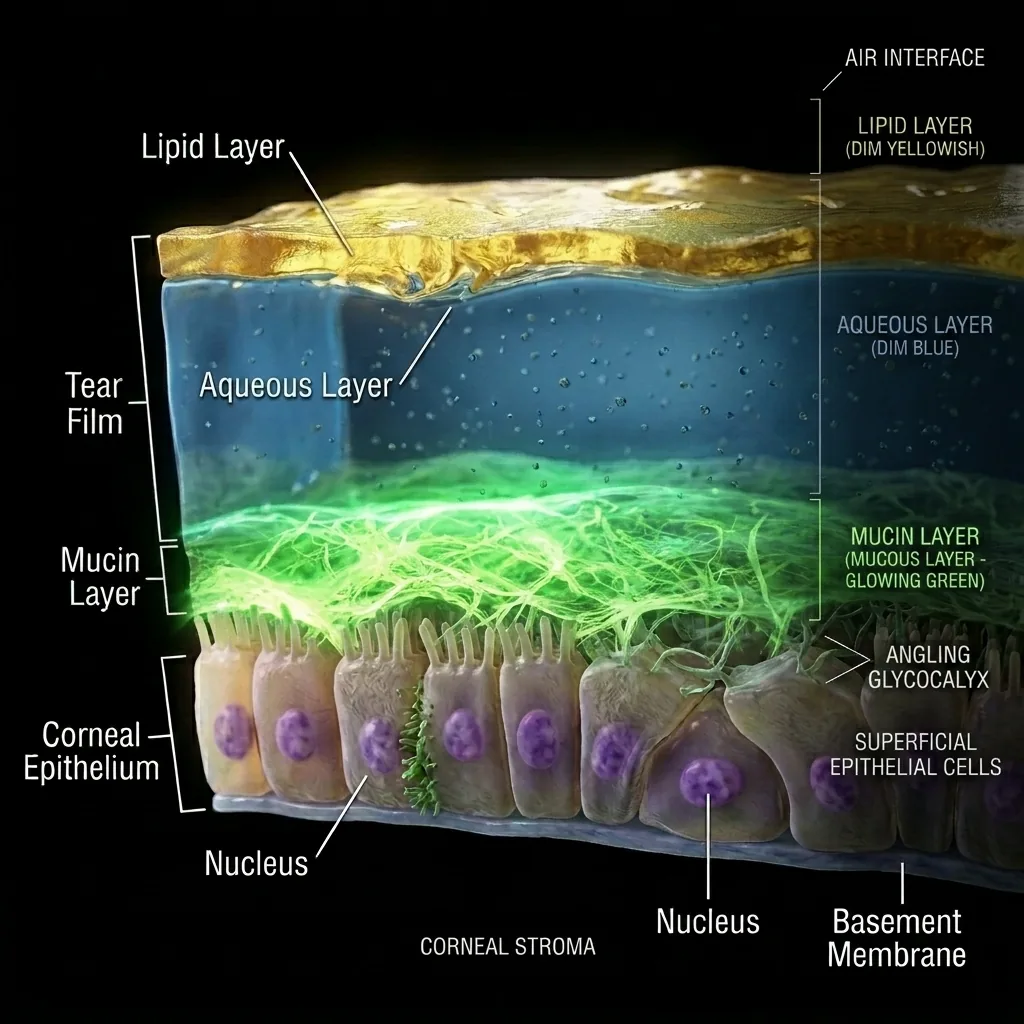
3. Mucin Layer (Inner)
Produced by goblet cells on the eye's surface. This mucous layer acts like an adhesive, helping the watery layer stick evenly to the eye.
The OTC Drop Trap
Cost: ~$360+/year (recurring)
- ❌ Out-of-pocket expenses that compound annually
- ❌ Delaying diagnosis while active gland damage progresses
- ❌ Risk of preservative toxicity from frequent application[5]
The Precision Medical Route
Definitive root-cause resolution
- ✅ A clinical assessment to pinpoint your failing tear layer
- ✅ Early intervention to save gland structures from atrophy
- ✅ Customized medical therapies covered by insurance
Calculate Your "Drop Loop" Cost
Symptom management is a compounding financial leak. Find out how much you are spending on temporary relief over time.
At this level, you are on track to lose over 417 hours of focused productivity and comfortable vision. Worse, untreated Meibomian Gland Dysfunction leads to progressive, irreversible gland loss.
Understanding Dry Eye
Through Life Stages
Dry eye can affect anyone, but the underlying causes often shift as we progress through different stages of life.
Children & Teens
If your child complains of tired or irritated eyes after schoolwork or gaming, reduced blinking during screen use is often the true issue rather than simple allergies.
- Screen Time: Excessive use of digital devices reduces blink rates, leading to evaporative dry eye.[4]
- Allergies: Seasonal allergies and antihistamine use can severely dry out the ocular surface.
- Contact Lenses: Improper wear schedules or poor hygiene can disrupt the tear film.
Young Adults (20s-30s)
Long screen workdays and contact lens wear frequently trigger ocular surface stress, even when your vision prescription is completely up to date.
- Digital Eye Strain: Prolonged screen use for work and leisure leading to computer vision syndrome.
- Hormonal Changes: Pregnancy or birth control medications can alter tear production.
- Post-LASIK: Temporary nerve disruption from refractive surgery can reduce tear signals.
Middle Age (40s-50s)
If you are in your 40s or 50s and screen work becomes unbearable by mid-afternoon, obstructed oil glands are usually the culprit rather than normal aging.
- Meibomian Gland Dysfunction (MGD): The leading cause of dry eye; oil glands in the eyelids become blocked or inflamed.
- Hormonal Shifts: Perimenopause and menopause significantly impact the composition of tears.
- Medications: Increased use of antihistamines, antidepressants, and blood pressure medications.
Seniors (60+)
Burning or watery eyes while reading and driving are not an inevitable part of aging, and they respond directly to treatment once the root cause is identified.
Over 30% of adults over 60 experience chronic dry eye. Because early symptoms are frequently dismissed as normal aging, early diagnostic testing is critical to save meibomian gland architecture before irreversible atrophy occurs.
- Gland Atrophy: Age-related reduction in overall tear production volume.
- Eyelid Laxity: Changes in eyelid structure reduce the mechanical efficiency of blinking and spreading tears.
- Post-Surgery: Cataract surgery can temporarily disrupt the ocular surface and tear film stability.
Standard Eye Care vs.
Specialized Dry Eye Care
Most general eye clinics treat dry eye as a temporary inconvenience. We treat it as a chronic, multi-faceted disease requiring medical-grade diagnostics and customized treatments.
| Clinical Feature | Standard Eye Care | Marano Specialty Dry Eye Center |
|---|---|---|
| Diagnostic Approach | Basic eye chart exam & symptom checklist | ✓ LipiView® Interferometry & TearLab® Osmolarity |
| Root Cause Analysis | Symptom-based guesswork | ✓ Infrared Meibography (visualizing gland structure) |
| Treatment Diversity | Generic OTC drops & warm compresses | ✓ Tailored multi-layered drop therapies & office procedures |
| In-Office Procedures | Unavailable / not offered | ✓ TearCare®, Punctal Plugs & AmbioDisk™ |
| Insurance & Rx Support | Standard Rx submission only | ✓ Dedicated prior-authorization team for brand drugs |
Precision Diagnostics
Housed at our flagship Livingston facility, our complete advanced diagnostic suite pinpoints the exact biological root cause of your dry eye, allowing us to customize a targeted treatment plan for your specific needs.
Tap any diagnostic card to flip it and see sample results
LipiView® Interferometry
See if your protective oil layer is evaporating too fast.
Click to flipLipiView®
Measures your lipid layer thickness with nanometer precision and captures your blink dynamics to identify if you are fully blinking.
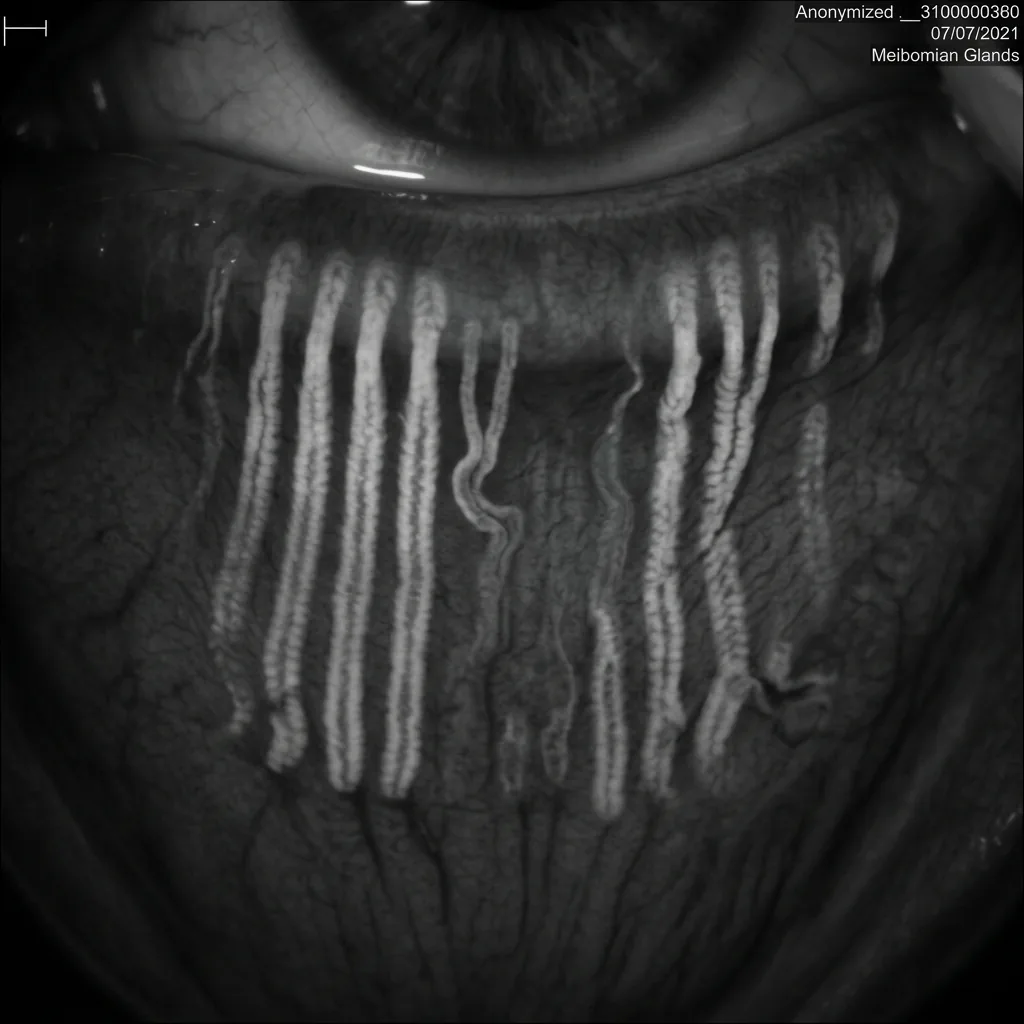
Meibography
Map your actual oil glands in under 60 seconds.
Click to flipMeibography
Utilizes advanced infrared imaging to visualize the Meibomian glands inside your eyelids, assessing them for structural health.
Tear Break-Up Time
Track exactly how many seconds tears stay on your eye.
Click to flipTBUT Testing
Uses specialized fluorescein dye to measure exactly how many seconds it takes for your tear film to break apart between blinks.
Schirmer's Test
Assess if your eyes are producing enough raw moisture.
Click to flipSchirmer's Test
A simple paper strip test placed gently on the lower eyelid to measure your baseline aqueous tear production over 5 minutes.
Osmolarity Testing
Measure the salt concentration ('dryness level') of tears.
Click to flipTearLab Osmolarity
Measures the salt concentration of your tears. High osmolarity is a proven biomarker indicating dry eye disease.[6]
Inflammatory Markers
Test for the specific inflammatory markers driving pain.
Click to flipInflammaDry
A rapid test detecting elevated levels of MMP-9, a key inflammatory biomarker that is elevated in patients with dry eye.[7]
Ready to See Your Gland Health?
Pinpoint tear film breakdown with FDA-cleared LipiView® interferometry and tear film osmolarity testing.
Advanced Treatments
Your specialist matches your therapy directly to your diagnostic results. Below is an overview of the targeted prescription medications and in-office procedures we provide.
Prescription Medications
Restasis® (Cyclosporine 0.05%)
Anti-Inflammatory DropHow It Works
Your immune system can mistakenly attack your own tear glands, causing inflammation that halts tear production. Restasis contains cyclosporine, which calms this specific immune
Calms Response
Restored
Xiidra® (Lifitegrast 5%)
Targeted Inflammation BlockerHow It Works
Dry eye inflammation starts when certain immune cells (T-cells) stick to the surface of your eye. Xiidra works by blocking the molecular "handshake" (LFA-1/ICAM-1 interaction) that lets these cells latch on, reducing inflammation directly at the source.
Connection
Heals
Vevye® (Cyclosporine Ophthalmic Solution 0.1%)
Water-Free Anti-Inflammatory DropHow It Works
Vevye® is a water-free cyclosporine drop formulated in a unique semifluorinated alkane vehicle. Because it contains no water, it does not require harsh preservatives, oils, or surfactants. It spreads rapidly across the ocular surface, delivering anti-inflammatory medication directly into the target tissues to reduce surface inflammation and restore natural tear production.
Spread
Cleared
Tryptyr® (TRPM8 Agonist Drop)
Sensory Receptor Eye DropHow It Works
Tryptyr is a unique eye drop that targets the TRPM8 cold-sensing receptors on the surface of your eye. By triggering these receptors with a mild cooling sensation, it signals the lacrimal gland to produce reflex tears and encourages natural blinking, providing refreshing moisture.
Activated
& Blinking
Miebo® (100% Perfluorohexyloctane)
Evaporation Shield DropHow It Works
Formulated as a water-free shield, Miebo® creates a microscopic barrier that mimics your eye's natural lipid layer. As the first FDA-approved prescription targeting evaporative dry eye disease, it directly addresses lipid layer breakdown caused by meibomian gland dysfunction. It locks in moisture immediately to prevent rapid tear evaporation without the blur or preservatives common in traditional drops.
Forms
Prevented
Cequa® (Cyclosporine 0.09%)
Nanomicelle TechnologyHow It Works
Similar to Restasis but utilizing a breakthrough delivery technology called NCELL™ nanomicelles. These microscopic carriers help the medication penetrate deeper into your eye tissue, delivering a stronger dose of immune-calming cyclosporine exactly where it's needed most.
Penetration
Calming Effect
In-Office Procedures
Punctal Plugs
Tear Conservation TherapyHow It Works
Punctal plugs are microscopic, biocompatible implants inserted into the eyelid's tear drainage ducts to conserve your eye's natural moisture. Made of medical-grade collagen that naturally dissolves over a 4–6 month period, they act like a precision reservoir valve—slowing tear outflow so your ocular surface stays continuously bathed in your own nutrient-rich, lubricating tears. Placed painlessly in seconds during an in-office visit, they provide instant relief for many patients suffering from aqueous deficiency, immediately soothing burning, grittiness, and screen-induced dryness.
Inserted in Seconds
Conserves Tears
4–6 Mo Hydration
TearCare®
Thermal-Activated MGD ExpressionHow It Works
TearCare® by Sight Sciences is an advanced, FDA-cleared open-eye thermal therapy designed to treat the root cause of 86% of dry eye cases: Meibomian Gland Dysfunction (MGD). Flexible, wearable SmartLids™ deliver continuous, precisely calibrated therapeutic heat (41–45°C) to the outer eyelids for 15 minutes, liquifying hardened, waxy meibum while allowing you to blink naturally. Your specialized eye care provider immediately follows with the Clearance Assistant™ to gently express and unblock obstructed oil glands under direct visualization—restoring your tear film's protective lipid layer.
(41–45°C Heat)
Gland Obstructions
Restores Oil Flow
AmbioDisk™
Amniotic Membrane Biological TherapyHow It Works
AmbioDisk™ is a sutureless, biological amniotic membrane allograft placed comfortably on the corneal surface during a quick, non-surgical in-office procedure under a protective bandage contact lens. Naturally rich in regenerative growth factors, extracellular matrix proteins, and potent anti-inflammatory cytokines, it acts as a biological shield that actively accelerates corneal re-epithelialization and rejuvenates damaged ocular surface nerves. AmbioDisk delivers profound therapeutic healing for severe, refractory dry eye disease and persistent corneal erosion—restoring cellular integrity and long-term surface comfort when traditional drops fail.
Graft Applied
& Corneal Cells
in 3–5 Days

Meet Our Specialist Team
Led by Dr. Matthew J. Marano, Jr., MD | Medical Director & Chief of Ophthalmology
At Marano Eye Care, our board-certified eye specialists diagnose and resolve the underlying biological causes of ocular surface disease rather than merely soothing temporary symptoms.
Medical Director Dr. Matthew J. Marano, Jr., MD is a leading ophthalmologist with over three decades of clinical practice in Northern New Jersey. He earned his medical degree from George Washington University and completed undergraduate studies at Columbia University.
Dr. Marano serves as Chief of Ophthalmology at Cooperman Barnabas Medical Center and St. Michael's Medical Center, and has spent decades educating physicians in advanced ophthalmic care. Verify Board Certification on ABO →
Our Practice Credentials
- Board Certification: Board-Certified Eye Specialists & Surgeons
- Clinical Leadership: Dr. Marano is Chief of Ophthalmology at Cooperman Barnabas Medical Center and St. Michael's Medical Center
- Advanced Procedures: TearCare® by Sight Sciences, Punctal Plugs, AmbioDisk™ & Custom Drop Therapies
- Diagnostic Excellence: In-Office LipiView® Interferometry & TearLab® Osmolarity
Associate Specialists & Surgeons
Collaborating directly with Dr. Marano to deliver precision ocular surface diagnostics, personalized medical protocols, and advanced dry eye procedures across all three North Jersey locations.
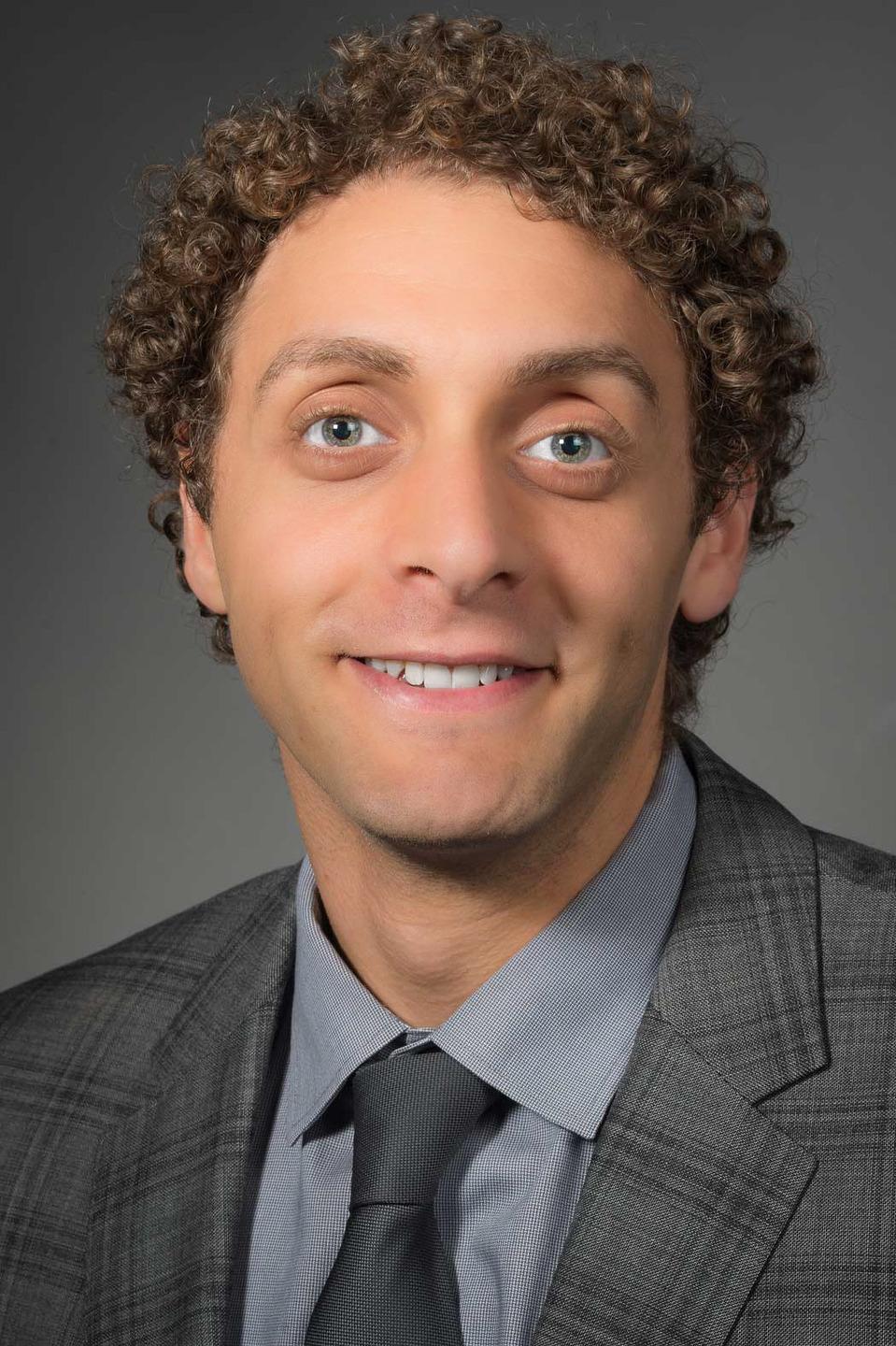
Dr. Sherief Raouf, MD
Board-Certified Ophthalmologist • Cornea SpecialistA fellowship-trained cornea and external disease specialist raised in Bergen County, Dr. Raouf graduated from Swarthmore College and earned his medical degree with honors from Stony Brook University School of Medicine. Following his ophthalmology residency at Manhattan Eye, Ear & Throat Hospital and Northwell Health, he completed advanced fellowship training in Cornea, External Disease, and Refractive Surgery at the prestigious UIC Eye & Ear Infirmary in Chicago, specializing in complex corneal disorders, ocular surface rehabilitation, and targeted dry eye interventions.
- Corneal & ocular surface disease rehabilitation
- Targeted meibomian gland and tear film therapies
- Amniotic membrane grafting & biological healing
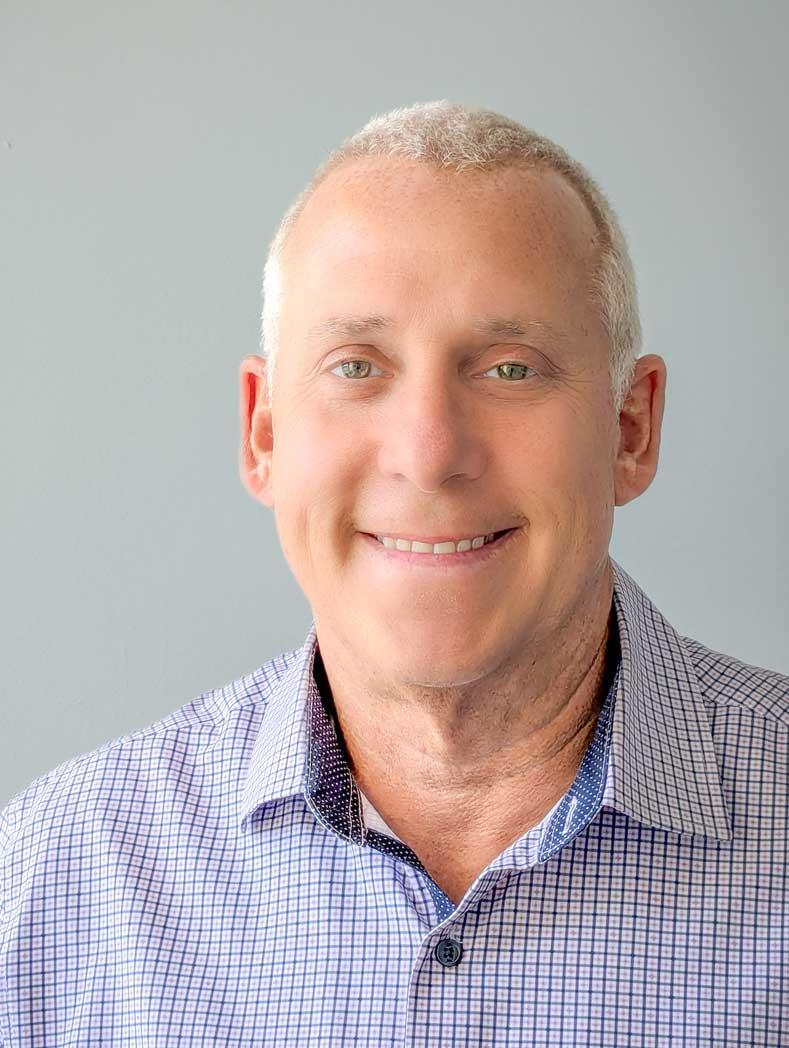
Dr. Edward Decker, MD
Board-Certified Comprehensive OphthalmologistServing Marano Eye Care patients across Northern New Jersey since 1996, Dr. Decker brings nearly 30 years of clinical mastery in comprehensive ophthalmology and advanced ocular surface management. An honor society graduate of Cornell University, he received his MD from SUNY Upstate Medical University in Syracuse and completed his residency at Summa Health System in Ohio, where he served as Chief Resident.
- Comprehensive dry eye evaluation & disease staging
- Anterior segment laser therapy & medical management
- Long-term ocular surface preservation & wellness
Patient Success Stories
Don't just take our word for it. Hear from local Northern New Jersey patients who have found lasting dry eye relief at our clinics.
"Years of screen-time burning left me dreading every workday. After a LipiView® scan revealed blocked Meibomian glands, Dr. Marano started me on Xiidra®. Within six weeks, I could work a full day without constant stinging."

"I tried every artificial tear on the market. Meibography showed my oil glands were severely congested. Dr. Marano treated the dysfunction with a targeted plan that actually worked, and I wish I had come in years earlier."

"They showed me infrared images of my actual tear glands and explained exactly why my drops weren't working. Understanding the science behind my dry eye made me trust the treatment plan completely."

"After cataract surgery, my dry eye worsened significantly. Punctal plugs combined with Xiidra® gave me comfortable vision for the first time in years, letting me read and drive at night without painful glare."

"As a financial analyst spending 12 hours a day in front of Bloomberg terminals, my eyes were constantly bloodshot and burning. Dr. Marano explained my glands were struggling to secrete oil. Within weeks of starting a custom TearCare® and Restasis® plan, the heavy, gritty feeling was gone. My focus is back."

"Even a simple walk outside in the breeze was painful because my eyes watered constantly yet felt gritty and dry. Dr. Marano identified severe aqueous deficiency and placed punctal plugs in-office. The procedure was fast, painless, and my eyes feel naturally comfortable for the first time in ten years."

"I had to stop wearing my contact lenses entirely due to the raw, dry irritation under my eyelids. Dr. Marano’s team diagnosed a combined tear film deficiency and started me on Xiidra. I’m back to wearing my lenses during long surgical shifts with absolutely zero irritation or scratchiness."
"I worried for years that my chronic dry eye was permanent gland loss that would jeopardize my architectural career. Dr. Marano's infrared Meibography confirmed my glands were still viable, only heavily congested. After targeted treatments, the chronic burning and frustration are gone."

"Over-the-counter drops left my eyes stinging even worse, making me dread driving home after teaching all day. Dr. Marano diagnosed severe tear film instability and put me on a prescription routine that targeted the root inflammation. I finally have clear, pain-free vision from morning to night."

Your 3-Step Pathway to Lasting Relief
Resolving chronic dry eye doesn't have to be complicated. We've structured a clear, seamless path to restoring your comfort.
15-Min Precision Scan
We use non-invasive LipiView® interferometry and TearLab® osmolarity testing to map your tear chemistry and image your actual oil glands. No pain, no guesswork.
Tailored Medical Plan
Our board-certified eye specialists design a target-specific regimen combining advanced in-office procedures and target-specific prescription drops.
Restore Natural Tears
By treating the root cause (MGD/inflammation), we reactivate your own natural tear film, allowing you to live, work, and drive without constant burning.
Frequently Asked Questions
Common questions patients ask before their first visit.
While dry eye is often a chronic condition, it is highly manageable. With the right diagnostic approach and a tailored treatment plan, we can significantly reduce your symptoms, prevent further damage to the ocular surface, and restore your quality of life.
Timeline varies by patient and treatment. In-office procedures like TearCare® provide rapid relief within days to a couple of weeks by melting blockages and clearing meibomian glands (with benefits lasting up to 12 months), while punctal plugs conserve moisture immediately. Prescription drops like Restasis® or Xiidra® may take 2 to 12 weeks to reach full effect. Most patients notice significant improvement in comfort and screen-time endurance within 2 to 6 weeks. We schedule follow-up checks at 1 month and 3 months to monitor gland function and adjust your plan as your tear film stabilizes.
Many diagnostic tests and prescription medications (like Restasis or Xiidra) are covered by standard health or vision insurance, though co-pays vary. Some advanced in-office procedures or specific custom options may be considered out-of-pocket expenses. Our team will verify your benefits and explain all costs prior to treatment.
No. All of our diagnostic tests, including LipiView® interferometry and infrared Meibography, are completely non-invasive, quick, and touch-free. For procedures like Punctal Plugs, we use numbing drops to ensure you feel no pain or scratchiness. Most patients describe the sensation as a mild cooling or pressure, and you can resume normal activities immediately after your visit.
Your first visit typically takes 45–60 minutes. We review your symptom history, then run non-invasive diagnostic scans with LipiView® interferometry and infrared Meibography to image your oil glands and measure your tear film. You'll see your results on screen, and your specialist will explain which tear layer is failing and recommend a customized treatment plan. No referral is required.
Drugstore drops act as a temporary band-aid, masking symptoms for minutes without treating the underlying cause. If your meibomian glands are blocked, tears will continue to evaporate instantly. Over time, untreated gland blockage leads to irreversible gland atrophy (shrinkage). Our treatments target root inflammation and blocked ducts to restore your eyes' natural ability to produce and maintain tears, preventing permanent damage.
The landmark TFOS DEWS II (Tear Film & Ocular Surface Society Dry Eye WorkShop II) global consensus study redefined dry eye disease as a complex, multi-factorial condition driven by a self-perpetuating "vicious cycle" of tear film instability, hyperosmolarity (tear salt concentration), and ocular surface inflammation.[2]
To break this cycle, TFOS DEWS II established an evidence-based, staged diagnostic and therapeutic protocol that directly maps to our clinic's exact regimen:
- Sub-type Diagnostic Testing: TFOS DEWS II requires identifying whether a patient suffers from Evaporative Dry Eye (caused by Meibomian Gland Dysfunction in over 85% of cases) or Aqueous Deficiency.[1] We fulfill this by using non-invasive LipiView® interferometry (imaging lipid layer thickness & gland atrophy), TearLab® osmolarity testing, and InflammaDry® (MMP-9) biomarker screening before prescribing any care.
- Targeted Lipid Restoration: To treat evaporative loss caused by MGD, TFOS DEWS II recommends physical unblocking of the meibomian glands. We utilize thermal pulsation therapy and clinical gland expression to clear hardened wax, restore natural oil flow, and prevent permanent gland loss.
- Interrupting Ocular Surface Inflammation: To heal the cornea and stop inflammatory damage, TFOS DEWS II recommends targeted immunomodulation. We prescribe advanced anti-inflammatory drops (such as Restasis®, Xiidra®, Cequa®, or Miebo®) and utilize biological tissue grafts (AmbioDisk™) for severe cases.
By mapping our testing technologies and therapeutic procedures directly to the TFOS DEWS II clinical algorithms, we ensure your treatment targets the precise biological mechanism failing in your eyes for long-term, root-cause relief.
Reclaim Clear, Comfortable Vision
Stop managing symptoms with temporary drops. Request a comprehensive diagnostic scan and begin your pathway to lasting comfort today.
Call to Schedule an Evaluation in Essex & Morris County
Livingston Office Complete Diagnostic Suite
Denville Office Consultations & Treatments
Newark Office Consultations & Treatments
- staff@mec1.net
- Mon-Thu: 9:00 AM - 5:00 PM | Fri: 8:00 AM - 4:00 PM
Request Received!
Thank you! Your self-assessment and consultation request have been safely received by Dr. Marano's team. A clinical coordinator will call you within one business day to confirm your personalized diagnostic evaluation. If you need immediate assistance, please reach out to us at (973) 813-7479.